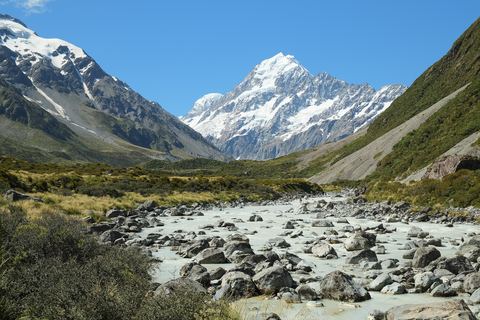
Aoraki / Mount Cook
A national park inside the Aoraki Mackenzie International Dark Sky Reserve, created in 2012.
Source
Source: Aoraki Mackenzie International Dark Sky Reserve · readPhotograph: Pseudopanax · Public domain
Field Guide › Interests › Night skies
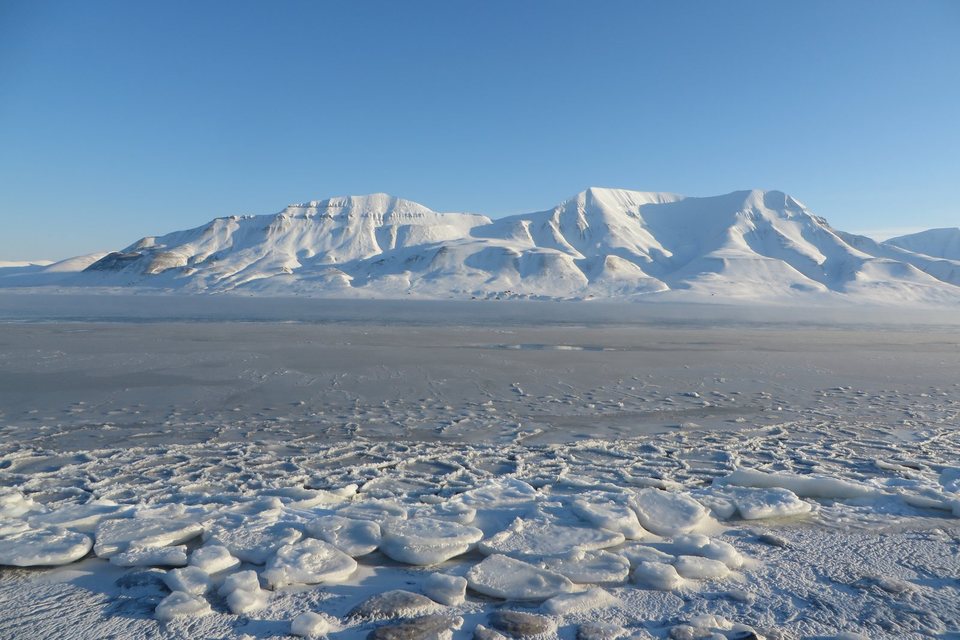
Photo: Svalbard. Photograph: Bernt Rostad · Adventfjorden, Svalbard · CC BY 2.0 · cropped
Interest
Places where the night is part of the trip: dark-sky parks in the American West, an island with no street lights, and northern lights seasons from Lofoten to Churchill.
A national park inside the Aoraki Mackenzie International Dark Sky Reserve, created in 2012.
Photograph: Pseudopanax · Public domain
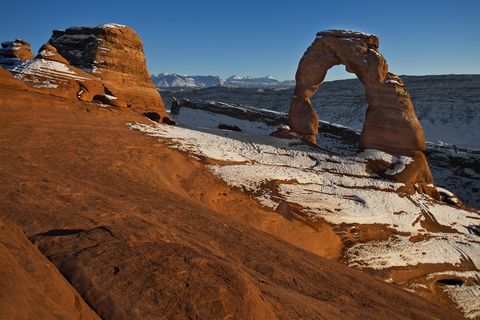
Certified an International Dark Sky Park in 2019, and the rules forbid lighting up the rock.
Photograph: Jacob W. Frank, National Park Service · Public domain
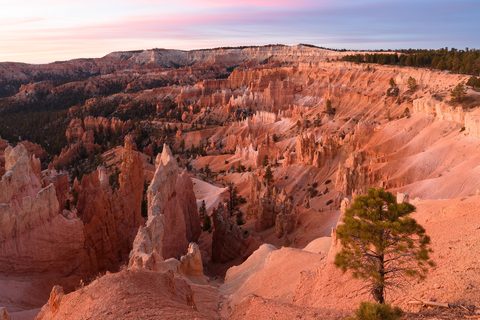
International Dark Sky status since 2019, and summer telescope programs at Sunset Point.
Sky calendar
Night sky telescope programs at Sunset Point: June to July.
Source: National Park Service (Bryce Canyon night sky telescope program) · read
Astronomy Festival (held 11-13 June in 2026): June.
Source: National Park Service (Bryce Canyon night skies page) · read
Photograph: King of Hearts · CC BY-SA 4.0 · cropped
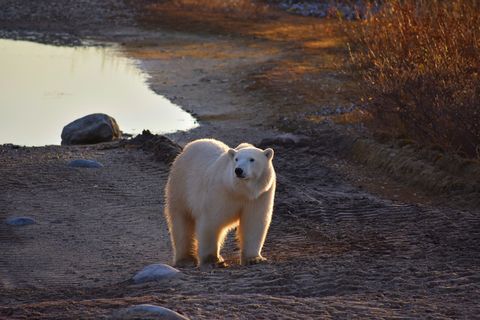
A bay town under the auroral oval, where February and March are the best months for the lights.
Sky calendar
Northern lights can appear: all year; peak February to March.
Source: Travel Manitoba · read
Photograph: Emkmiller100 · CC BY-SA 4.0
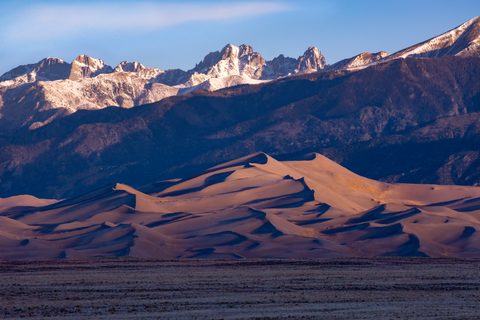
Dunes certified as an International Dark Sky Park in 2019, with Milky Way nights in summer and fall.
Sky calendar
Milky Way on moonless nights: June to November.
Source: National Park Service (Great Sand Dunes: Experience the Night) · read
Summer night programs: June to August.
Source: National Park Service (Great Sand Dunes: Experience the Night) · read
Photograph: Patrick Myers, NPS via NPGallery · Public domain (PD-USGov, US National Park Service)
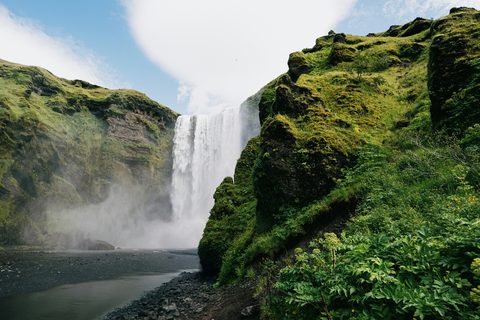
A coast with enough darkness for night-sky viewing from September through April.
Sky calendar
Dark enough for night-sky viewing: September to April.
Source: Visit Iceland (Promote Iceland) · read
Longest nights: December to January.
Source: Visit Iceland (Promote Iceland) · read
Photograph: NIR HIMI via Unsplash · Unsplash licence · cropped
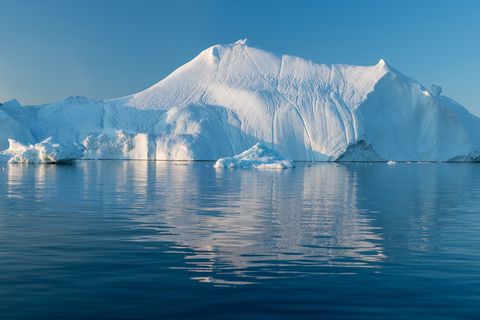
An icefjord town with a northern lights season from late August to April, where a third of the town greets the sun on 13 January.
Sky calendar
Northern lights may show: August to April.
Source: Visit Greenland · read
The sun returns after the dark weeks: January.
Source: Visit Greenland · read
Photograph: Christoph Strässler · Iceberg in the Ilulissat Icefjord, Greenland (54066381102) · CC BY-SA 2.0 · cropped
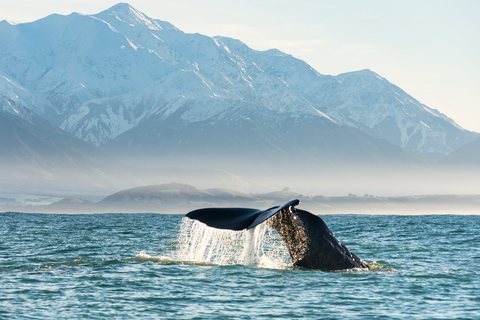
A whale coast that became a Dark Sky Sanctuary in September 2024, in a push that began with a seabird.
Photograph: Whale Watch Kaikoura / Destination Kaikōura via Destination Kaikoura · CC BY 4.0
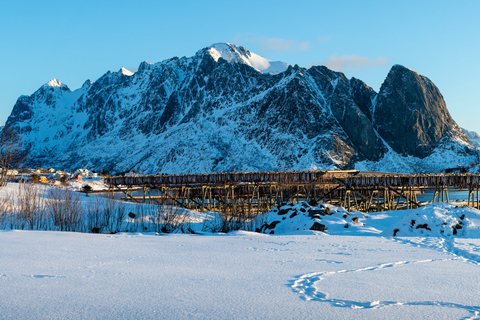
Fishing islands where the northern lights may show from late August until mid-April.
Sky calendar
Northern lights may show: August to April.
Source: Visit Lofoten · read
Arctic night and the blue hour: December.
Source: Visit Lofoten · read
Photograph: Christoph Strässler · Loaded Drying Racks for Stockfish at Reine, Lofoten, Norway · CC BY-SA 2.0 · cropped
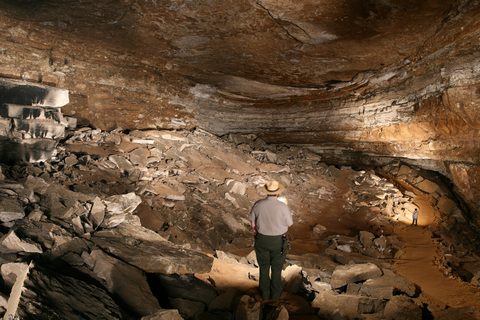
A cave park with a sky to match: an International Dark Sky Park since 2021, with ranger-led stargazing.
Sky calendar
Ranger-led stargazing programs: all year.
Source: National Park Service (Mammoth Cave stargazing page) · read
Photograph: Jackie Wheet, NPS via NPGallery · Public domain (PD-USGov, US National Park Service) · cropped
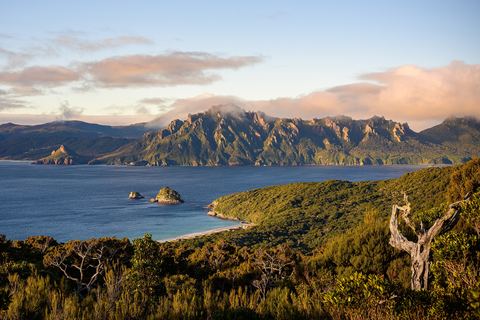
New Zealand's far-south island, a Dark Sky Sanctuary since January 2019, where winter nights are dark from 7 pm to 6.30 am.
Sky calendar
Winter: long dark nights: June to August.
Source: Stewart Island Promotion Association · read
Summer: dark only from midnight to 3 am: December to February.
Source: Stewart Island Promotion Association · read
Photograph: Jake Osborne · Ruggedy Mountains · CC BY-SA 2.0 · cropped
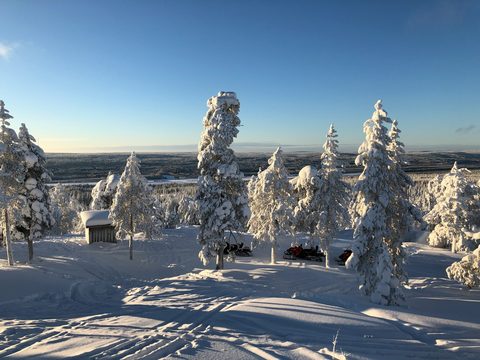
A town on the Arctic Circle, with a northern lights season from late August to early April.
Sky calendar
Northern lights season: August to April.
Source: Visit Rovaniemi · read
Polar night: the sun does not rise: December.
Source: Visit Rovaniemi · read
Photograph: Paul Raillard via Unsplash · Unsplash licence
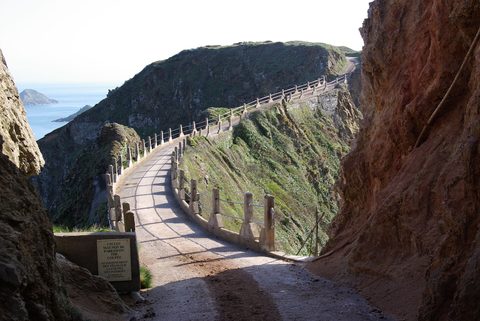
An island with no street lights, and in 2011 the first to be called a Dark Sky Island.
Sky calendar
Starfest: March to May and September to November.
Source: Sark Tourism · read
Photograph: Clemensfranz · Sark Coupee · CC BY-SA 3.0
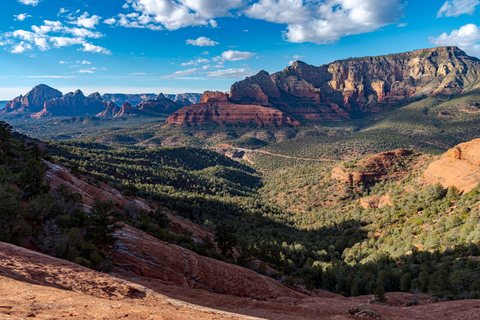
A red-rock town named an International Dark Sky Community in 2014.
Photograph: deborah.soltesz · CC0
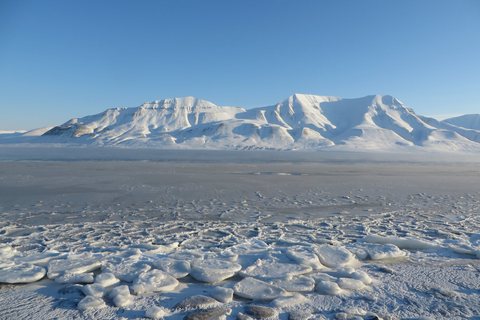
An Arctic archipelago whose Northern Lights Winter runs from October to February, with the polar night in the middle.
Sky calendar
Northern Lights Winter season: October to February.
Source: Visit Svalbard · read
Polar night: the sun stays below the horizon: November to January.
Source: Visit Svalbard · read
Photograph: Bernt Rostad · Adventfjorden, Svalbard · CC BY 2.0 · cropped
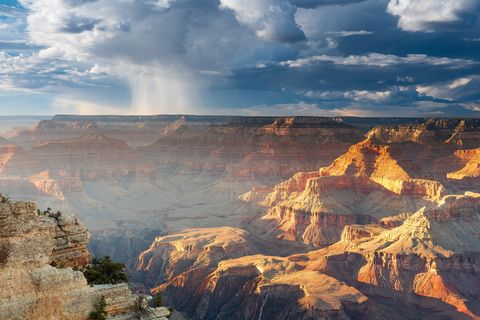
Certified an International Dark Sky Park in 2019, with an annual star party.
Sky calendar
Grand Canyon Star Party (2027: 29 May-5 June): May to June.
Source: National Park Service (Grand Canyon Star Party page) · read
Photograph: Romain Guy · CC0 · cropped
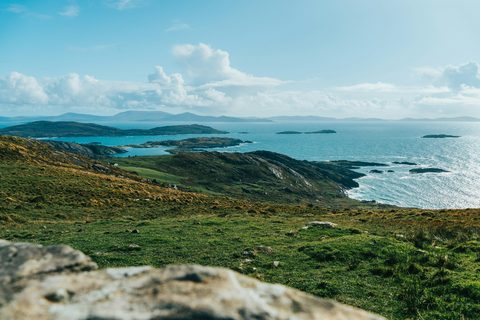
The loop passes the Kerry reserve, Ireland's first Dark-Sky region and a Gold Tier one.
Photograph: Jean Carlo Emer via Unsplash · Unsplash licence

On Niue, the first whole country with DarkSky Sanctuary and Community accreditation.
Sky calendar
Dry season, typically the clearest skies: May to October.
Source: Niue Tourism (niueisland.com) · read
Photograph: Pseudopanax · Public domain · cropped
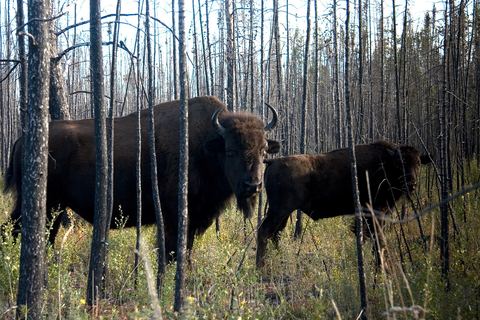
The world's largest Dark Sky Preserve, designated in 2013, with a Dark in the Park weekend each August.
Sky calendar
Autumn aurora season (Northwest Territories): August to September.
Source: Northwest Territories Tourism (spectacularnwt.com) · read
Winter aurora season (Northwest Territories): November to April.
Source: Northwest Territories Tourism (spectacularnwt.com) · read
Dark in the Park weekend: August.
Source: Parks Canada (Wood Buffalo National Park: stargazing) · read
Photograph: Naturedata · CC0 · cropped
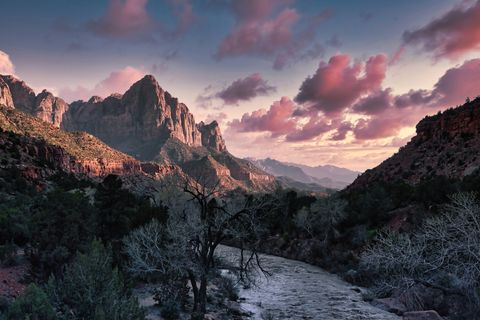
An International Dark Sky Park, darkest on the east side and along Kolob Terrace Road.
Photograph: Stin-Niels Musche via Unsplash · Unsplash licence
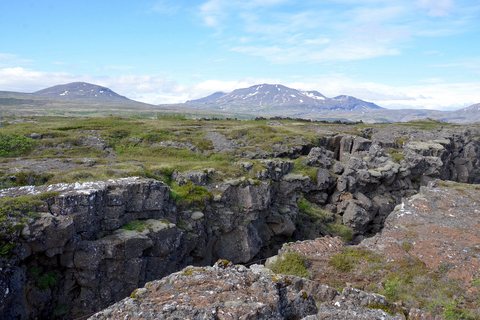
A rift valley with wide, dark horizons, within 45 minutes of Reykjavik.
Sky calendar
Dark enough for night-sky viewing: September to April.
Source: Visit Iceland (Promote Iceland) · read
Longest nights: December to January.
Source: Visit Iceland (Promote Iceland) · read
Photograph: Olga Ernst · CC BY-SA 4.0 · cropped
| Place | Jan | Feb | Mar | Apr | May | Jun | Jul | Aug | Sep | Oct | Nov | Dec |
|---|---|---|---|---|---|---|---|---|---|---|---|---|
| Bryce Canyon National Park | In season | In season | ||||||||||
| Churchill | In season | Peak season | Peak season | In season | In season | In season | In season | In season | In season | In season | In season | In season |
| Great Sand Dunes | In season | In season | In season | In season | In season | In season | ||||||
| Iceland’s South Coast | In season | In season | In season | In season | In season | In season | In season | In season | ||||
| Ilulissat Icefjord | In season | In season | In season | In season | In season | In season | In season | In season | In season | |||
| Lofoten | In season | In season | In season | In season | In season | In season | In season | In season | In season | |||
| Mammoth Cave | In season | In season | In season | In season | In season | In season | In season | In season | In season | In season | In season | In season |
| Rakiura | In season | In season | In season | In season | In season | In season | ||||||
| Rovaniemi | In season | In season | In season | In season | In season | In season | In season | In season | In season | |||
| Sark | In season | In season | In season | In season | In season | In season | ||||||
| Svalbard | In season | In season | In season | In season | In season | |||||||
| The Grand Canyon | In season | In season | ||||||||||
| Togo Chasm | In season | In season | In season | In season | In season | In season | ||||||
| Wood Buffalo National Park | In season | In season | In season | In season | In season | In season | In season | In season | ||||
| Þingvellir | In season | In season | In season | In season | In season | In season | In season | In season |
Dark-sky places with no published season are not in this table. You will find them in the cards above.
Roughly late August to April, depending on how far north. Lofoten's season runs from late August to mid-April, Rovaniemi's from late August to early April and Greenland's from late August to April; Iceland is dark enough from September to April; Svalbard's Northern Lights Winter runs from 1 October to 28 February; Churchill's best months are February and March; and the Northwest Territories have two seasons, mid-August to late September and mid-November to early April. These are the tourism boards' own seasons, not a forecast.
Sark, in the Channel Islands. It was recognised by the International Dark-Sky Association in 2011 and became the first island community called a Dark Sky Island, largely because it has no street lights.
Togo Chasm, on Niue. Niue is the first whole country to receive Dark Sky Sanctuary and Community accreditation from DarkSky International, and trained Niuean community members lead its guided astro-tours.
From mid-November to late January, when the sun stays more than 6 degrees below the horizon and the northern lights may show in the middle of the day. Svalbard's Northern Lights Winter season runs from 1 October to 28 February.
For a seabird. Kaikōura's dark-sky push began in 2020 to help protect the endangered Hutton's shearwater, which is affected by artificial light at night, and the coast became an International Dark Sky Sanctuary on 12 September 2024.
None of the places on this page sits in the path of totality. For eye safety during any solar eclipse, NASA keeps a safety page (https://science.nasa.gov/eclipses/safety/).
A place joins this page when its park, reserve, community trust or tourism board publishes something about its night sky: a dark-sky designation, a northern lights season, a star party or a stargazing programme. Each place carries at least three of these, each linked to its source. The calendars on the cards show the seasons as each park, reserve or tourism board publishes them. Where a board gives a season for a whole country or territory, as Visit Iceland and Northwest Territories Tourism do, the card says so.
No rankings and no forecasts: the sky keeps its own schedule. Park rules, closures and seasons change, so each card links the page with the current word.