
Places in this collection
-
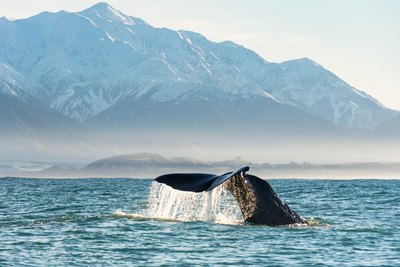 Entry № 023
Kaikōura
A deep-sea canyon starts almost at the beach, so sperm whales feed year-round within sight of a town whose name means 'eat crayfish'.
-
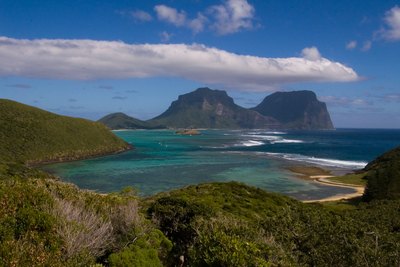 Entry № 024
Lord Howe Island
An island capped at 400 guests at a time, with the world's southernmost coral reef and the tallest sea stack on Earth next door.
-
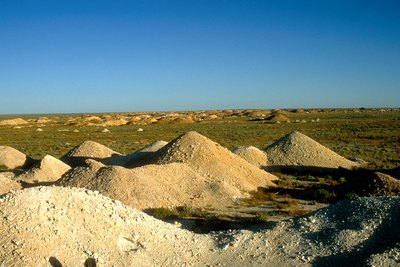 Entry № 028
Coober Pedy
The opal capital of the world solved the desert sun by moving underground — homes, churches, hotels, and a golf course with no grass at all.
-
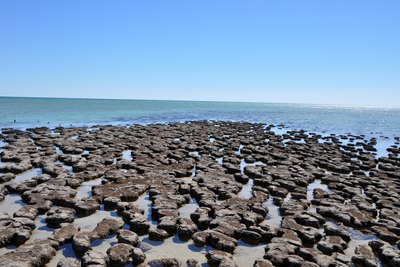 Entry № 061
Hamelin Pool
Microbes have built rock here since before anything could eat them. They survive because the water is twice as salty as the sea.
-
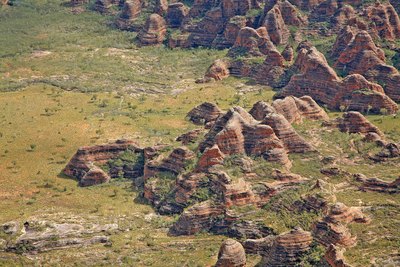 Entry № 062
Purnululu
Beehive domes striped orange and black, standing only because a living skin of bacteria binds sandstone that would otherwise fall apart.
-
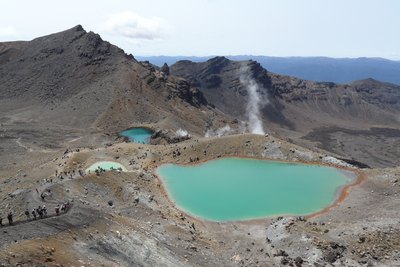 Entry № 063
Tongariro
Three sacred volcanoes given to the Crown in 1887 to stop them being sold — and the first cultural landscape ever inscribed on the World Heritage List.
-
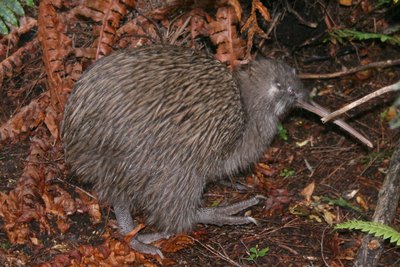 Entry № 064
Rakiura
No stoats, so the kiwi feed in daylight — which is how kiwi used to be everywhere. Also the southernmost Dark Sky Sanctuary on Earth.
-
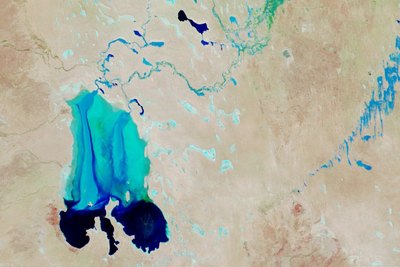 Entry № 065
Kati Thanda–Lake Eyre
A salt pan most of the time. When floodwater finally arrives from Queensland, pelicans appear in their tens of thousands, and nobody knows how they know.
-
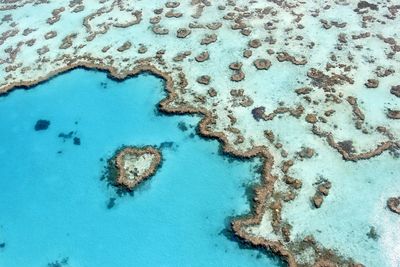 Entry № 086
The Great Barrier Reef
The world's largest reef system has died five times in 30,000 years, stranded as the sea fell and drowned as it rose, and survived each time by moving. The reef you swim over is less than 10,000 years old.
-
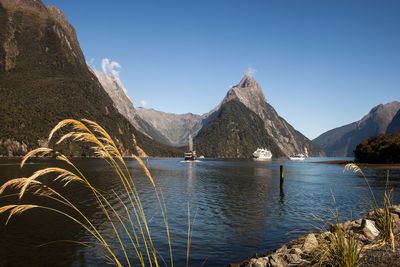 Entry № 087
Milford Sound / Piopiotahi
So much rain falls here that fresh water floats on the sea like a lid, and deep-sea black coral grows within a diver's reach. The boats pass right over it.
-
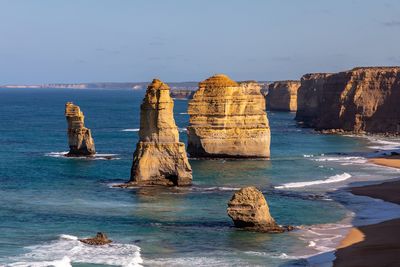 Entry № 088
The Twelve Apostles
Named for tourists, never twelve, and now seven: the stacks were carved in the last few thousand years, and the only extra Apostles anyone has found stand drowned offshore.
-
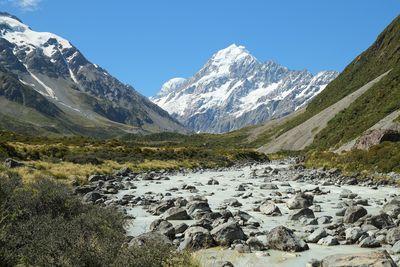 Entry № 089
Aoraki / Mount Cook
Measured at 3,764 metres for a century, New Zealand's highest mountain lost ten metres in a night in 1991 and thirty more since. To Ngai Tahu it is an ancestor, not a summit.
-
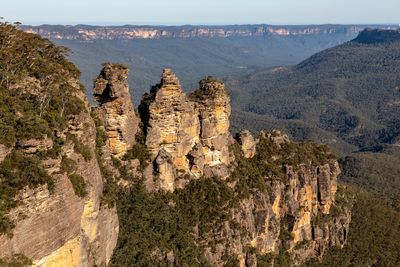 Entry № 090
The Blue Mountains
Not mountains but a sandstone plateau cut into gorges, blue because of its eucalypts and World Heritage-listed for them. One canyon hid a tree known only from fossils until 1994.
Know somewhere that belongs here?
The Field Guide grows by recommendation. If there is a place you love — somewhere strange, overlooked, or simply worth the trip — tell us about it and why it matters. Good suggestions get researched, written up, and credited to the person who sent them in.
Suggest a place →