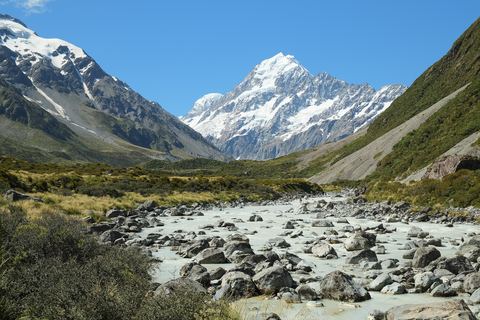
Aoraki / Mount Cook
Nineteen peaks over 3,000 metres, and glaciers across 40% of the park.
Source: Department of Conservation, New Zealand (Aoraki/Mount Cook National Park) · readPhotograph: Pseudopanax, Public domain
Interest
Somebody, somewhere, decided this view should belong to everyone. Here are the places where that idea stuck, from the Canadian Rockies to an island of stone giants in the Pacific.
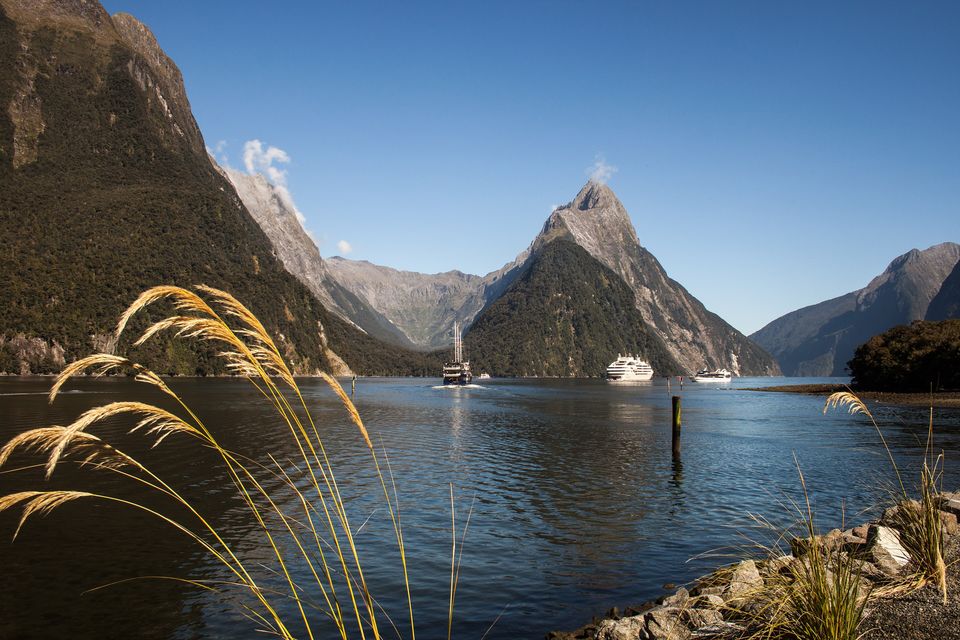
Milford Sound / Piopiotahi. Photograph: Szilas, Public domain
Nineteen peaks over 3,000 metres, and glaciers across 40% of the park.
Source: Department of Conservation, New Zealand (Aoraki/Mount Cook National Park) · readPhotograph: Pseudopanax, Public domain
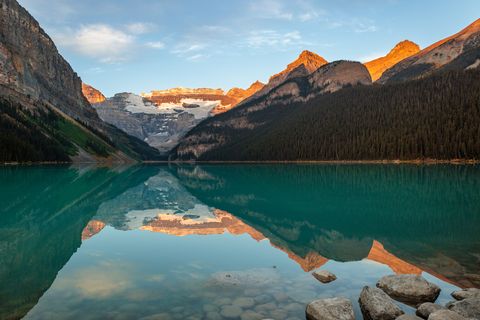
Where Canada's national parks began, in 1885, high in the Rockies.
Source: Parks Canada (Banff National Park Management Plan, 2022) · readPhotograph: TerryDOtt, Sunrise Reflections - Lake Louise, Alberta, Canada, CC BY 2.0, cropped

A village among moving dunes, with sea lions on the islands offshore.
Source: Ministerio de Ambiente, Uruguay (Observatorio Ambiental Nacional: Cabo Polonio) · readPhotograph: Jovarca, Tras las rocas... el faro, CC BY-SA 3.0, cropped
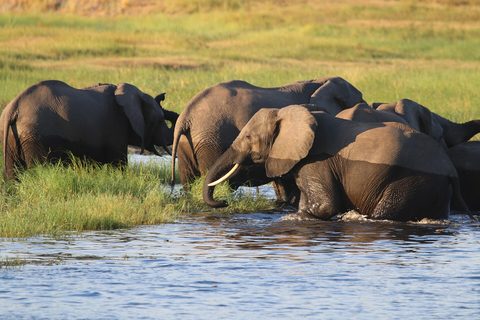
A river where elephants come down to drink by the hundred in the dry season.
Source: Botswana Tourism Organisation (Chobe National Park) · readPhotograph: NikSimpson, CC BY-SA 4.0
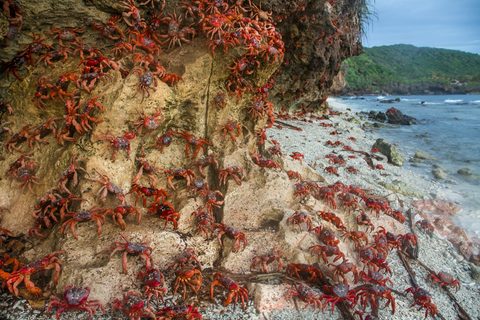
An island that is mostly national park, where the first wet-season rain sets the red crabs moving.
Months the source names: Oct–Jan
Source: Parks Australia (Christmas Island red crab migration) · readPark calendar
Red crabs head for the coast: October to January.
Source: Parks Australia (Christmas Island red crab migration) · read
Photograph: Raphael Bick via Unsplash, Unsplash licence
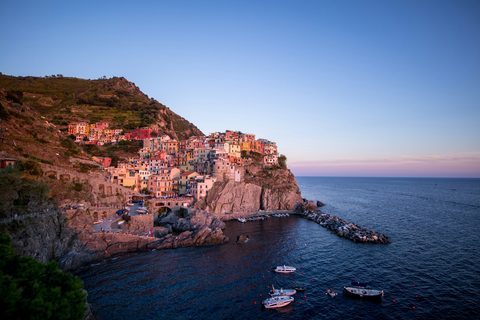
A national park made by people: five villages and their terraced hills above the sea.
Source: Parco Nazionale delle Cinque Terre (the park authority) · readPhotograph: Rafael Peier via Unsplash, Unsplash licence

A volcanic amphitheatre cut off from the coast but for one river, home to about 800 people.
Source: Parc national de La Réunion (Le Cirque de Mafate) · readPhotograph: Air miasma, CC BY-SA 4.0, cropped
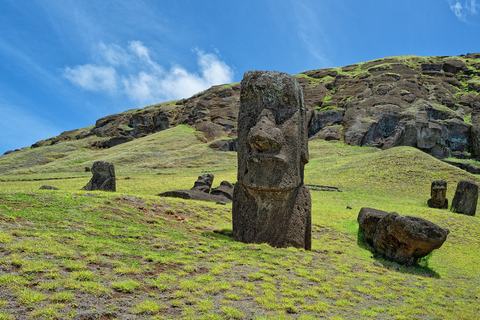
The island of the moai, protected twice over: as a national park and as a National Historic Monument.
Source: CONAF, Chile (Parque Nacional Rapa Nui) · readPhotograph: Otávio Nogueira, Fabrica de Moais-13, CC BY 2.0, cropped
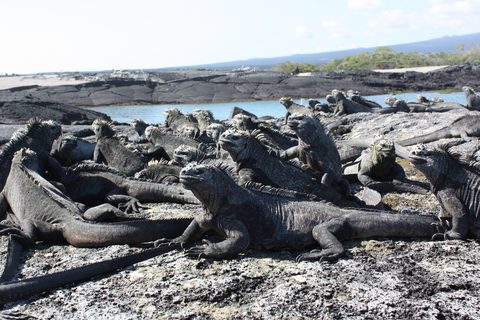
One of the youngest Galápagos islands, in a park that covers 97% of the land.
Source: Dirección del Parque Nacional Galápagos (Parque Nacional Galápagos) · readPhotograph: Kjersti Holmang, Marineiguanas, CC BY-SA 3.0, cropped
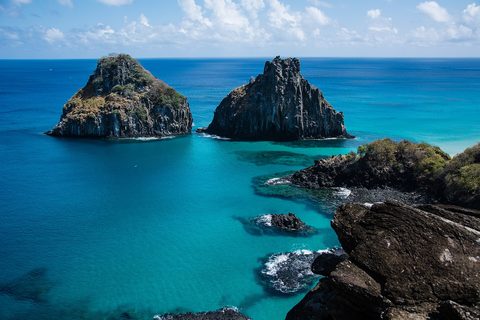
Sea turtles, lemon sharks and red-billed tropicbirds, protected in a marine park off Brazil.
Source: ICMBio, Brazil (Parque Nacional Marinho de Fernando de Noronha) · readPhotograph: CCINTRA, Fernando de Noronha - PE - Dois Irmãos, CC BY-SA 3.0
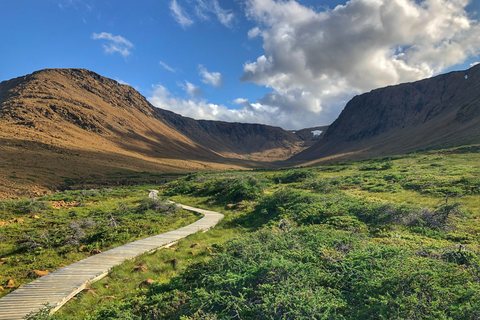
The Earth's mantle, out in the open, pushed up half a billion years ago.
Source: Parks Canada (Gros Morne National Park) · readPhotograph: Dunmaghlas, CC BY-SA 4.0, cropped
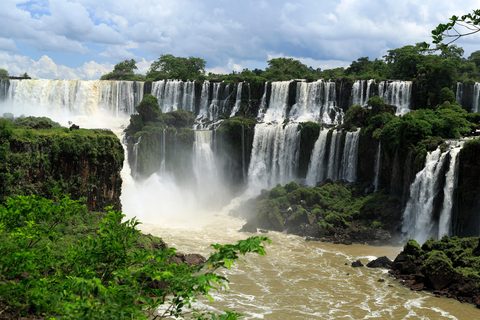
A colossal volume of water tumbling over a whole run of falls, deep in the forest.
Source: Administración de Parques Nacionales, Argentina (Parque Nacional Iguazú) · readPhotograph: Falk2, CC BY-SA 4.0
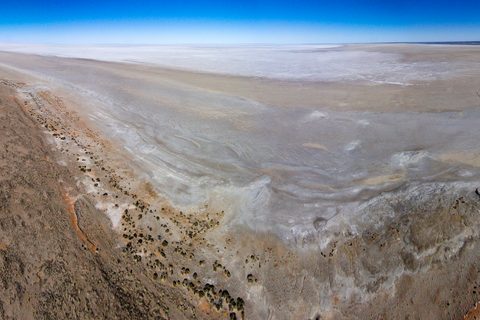
Australia's biggest salt lake, which has filled to the brim just three times in 160 years.
Source: National Parks and Wildlife Service South Australia (Kati Thanda-Lake Eyre National Park) · readPhotograph: Stephan Ridgway, Lake Eyre North Panorama 2014, CC BY 2.0, cropped
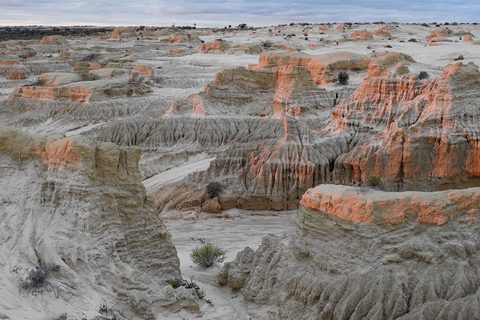
A dry lake bed that turned out to be the home of Mungo Lady and Mungo Man.
Source: NSW National Parks and Wildlife Service (Mungo National Park) · readPhotograph: Caroline Jones, CC0, cropped
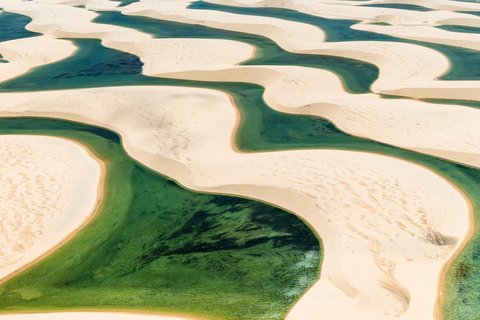
Dunes and freshwater lagoons where the sea meets the Cerrado, the Caatinga and the Amazon.
Source: ICMBio, Brazil (Parque Nacional dos Lençóis Maranhenses) · readPhotograph: Julius Dadalti, CC BY-SA 4.0, cropped
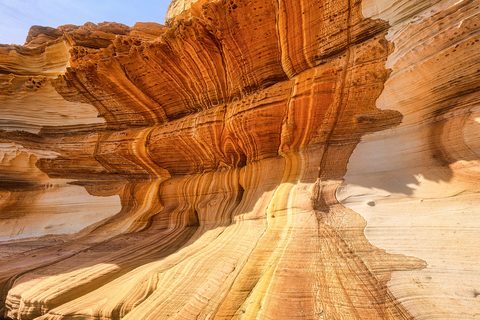
An island of convict ruins and wombats, with no cars at all.
Source: Parks and Wildlife Service Tasmania (Maria Island National Park) · readPhotograph: Christopher Harriot, Painted Cliffs, CC BY 2.0
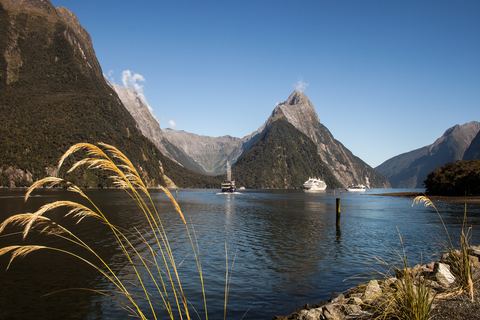
Ice-carved fiords, granite tops and mountains that run straight down to the sea.
Source: Department of Conservation, New Zealand (Fiordland National Park) · readPhotograph: Szilas, Public domain
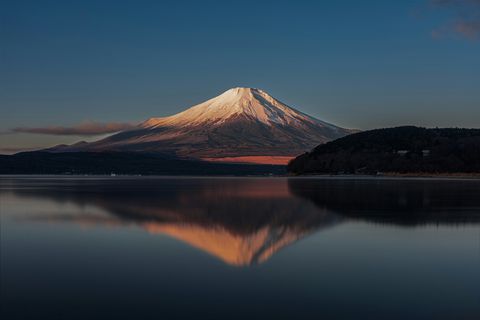
Japan's most famous mountain, in a national park that runs down to the Pacific.
Source: Ministry of the Environment, Japan (Fuji-Hakone-Izu National Park) · readPhotograph: Steven Lynn via Unsplash, Unsplash licence
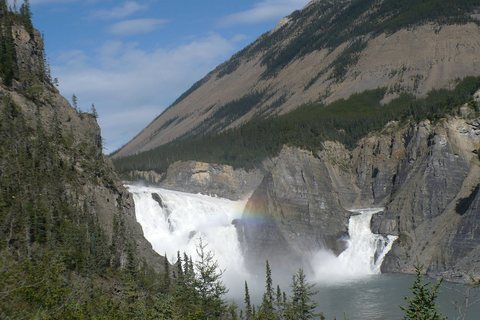
A wild northern river that drops twice the height of Niagara Falls, in a World Heritage park reserve.
Source: Parks Canada (Nahanni National Park Reserve) · readPhotograph: Paul Gierszewski (Gierszep), Public domain, cropped
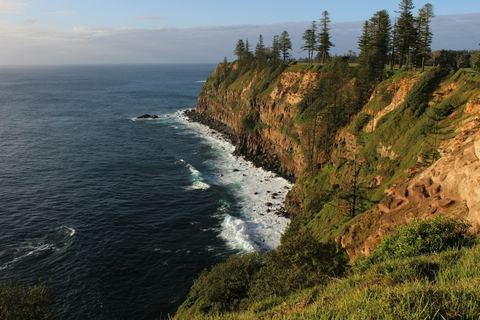
Towering pines Captain Cook picked out for ships' masts. They turned out to be no good for the job.
Source: Parks Australia (Norfolk Island National Park, history) · readPhotograph: Grant Charsley via Unsplash, Unsplash licence

Far-off Pacific islands that are a gold mine of evolution and endemic species.
Source: Ministry of the Environment, Japan (Ogasawara National Park) · read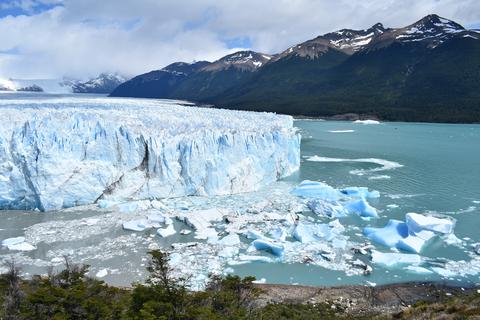
Ice from the ice age, in the third-largest continental ice field left on the planet.
Source: Administración de Parques Nacionales, Argentina (Parque Nacional Los Glaciares) · readPhotograph: Valentinamaur, CC BY-SA 4.0
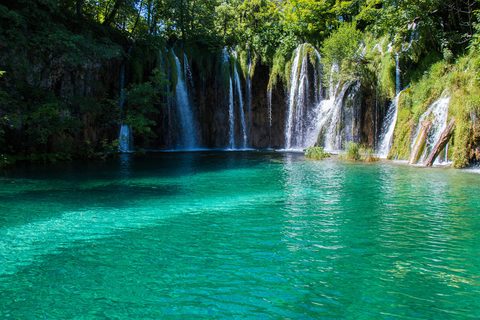
A staircase of lakes held up by natural tufa dams, the process that put the park on the World Heritage List.
Source: Plitvice Lakes National Park (public institution) · readPhotograph: Tesla Delacroix, CC BY-SA 4.0
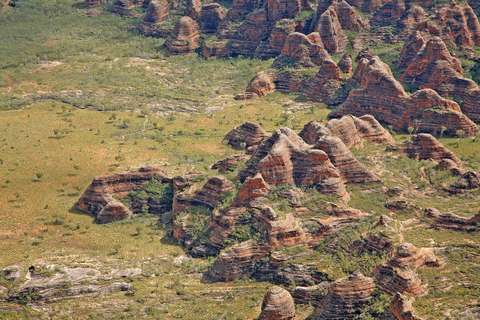
Beehive domes in orange and black stripes, 350 million years in the making.
Source: Department of Biodiversity, Conservation and Attractions, Western Australia (Purnululu National Park) · readPhotograph: W. Bulach, CC BY-SA 4.0

A castaway's island, with Juan Fernández fur seals in the sea around it.
Source: CONAF, Chile (Parque Nacional Archipiélago Juan Fernández) · readPhotograph: Balou46, CC BY-SA 4.0
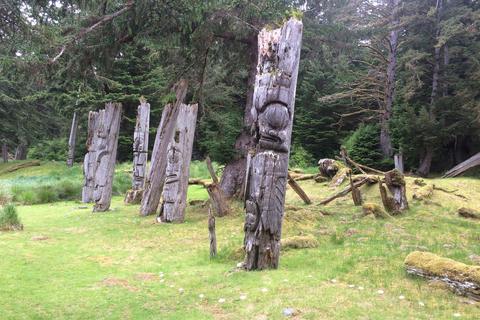
Totem poles a century old, on an island cared for by the Haida and Parks Canada together.
Source: Parks Canada (Gwaii Haanas) · readPhotograph: Christine Rondeau, Gwaii Haanas National Park, CC BY 2.0, cropped
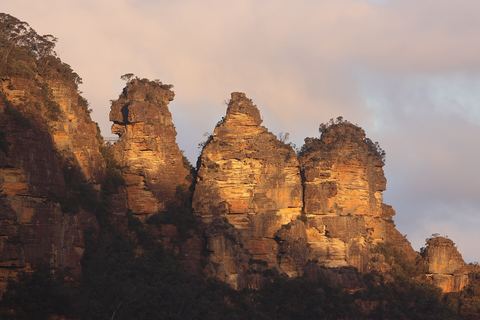
The Three Sisters and over 140 km of tracks, in a World Heritage-listed park.
Source: NSW National Parks and Wildlife Service (Blue Mountains National Park) · read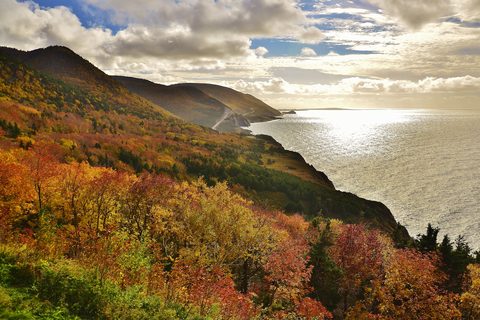
A coast road that swings up through the Cape Breton Highlands, a national park above the sea.
Source: Parks Canada (Cape Breton Highlands National Park) · readPhotograph: Eric Van Lochem, CC BY-SA 4.0, cropped
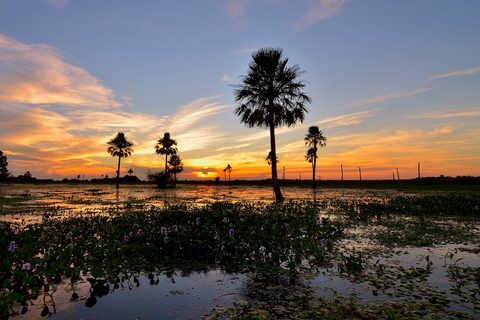
A young national park in one of the great freshwater wetlands of the planet.
Source: Administración de Parques Nacionales, Argentina (Parque Nacional Iberá, biodiversidad) · read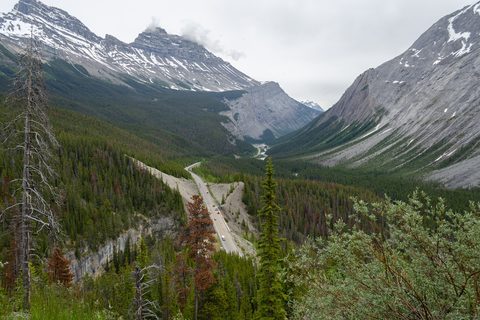
232 km of mountain road that threads two national parks together, Banff and Jasper.
Source: Parks Canada (Icefields Parkway) · readPhotograph: Ethan Sahagun, CC BY-SA 4.0
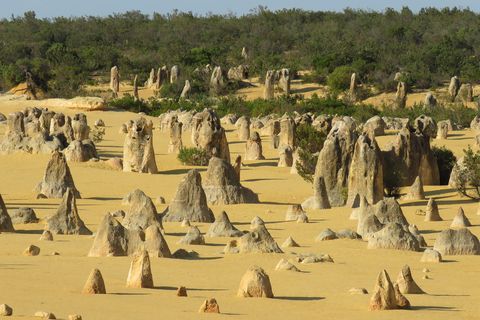
A desert of limestone spires in Nambung National Park, on Yued Country.
Source: Department of Biodiversity, Conservation and Attractions, Western Australia (Nambung National Park) · readPhotograph: Calistemon, CC BY-SA 4.0, cropped
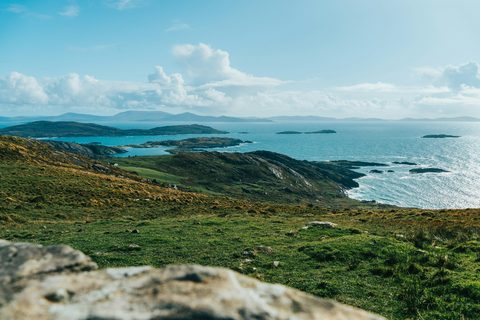
A loop of road past Killarney, where Ireland's national parks began.
Source: National Parks and Wildlife Service, Ireland (Killarney National Park) · readPhotograph: Jean Carlo Emer via Unsplash, Unsplash licence
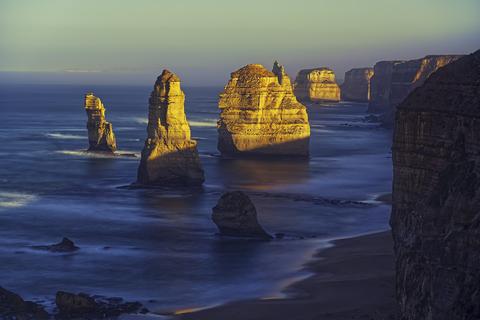
Limestone stacks standing in the Southern Ocean, in Port Campbell National Park.
Months the source names: Oct–Apr
Source: Great Ocean Road Coast and Parks Authority (Port Campbell National Park) · readPark calendar
Short-tailed shearwaters back at Mutton Bird Island: October to April.
Source: Great Ocean Road Coast and Parks Authority (Port Campbell National Park) · read
Photograph: Christopher Harriot, ApostleS, CC BY 2.0
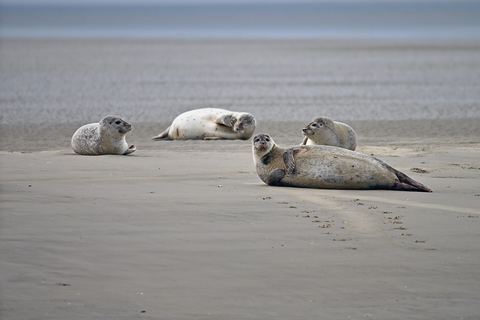
Tidal flats shared by three countries, and Denmark's largest national park.
Source: Nationalpark Vadehavet, Denmark (Historien om) · readPhotograph: SimonWaldherr, CC BY 4.0, cropped
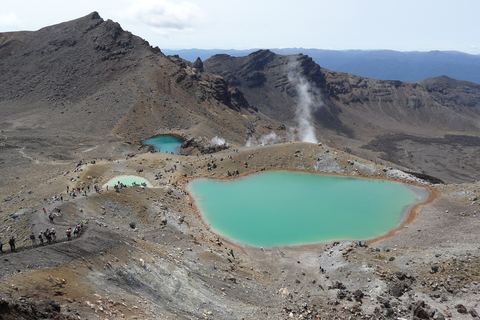
New Zealand's oldest national park, around mountains held sacred by local iwi.
Source: Department of Conservation, New Zealand (Tongariro National Park) · readPhotograph: Follash, CC BY-SA 4.0, cropped
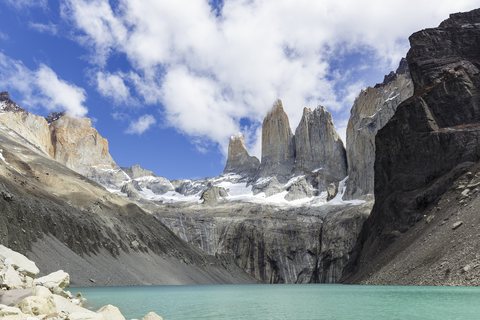
Towers of rock near the bottom of the Americas, in the Magallanes region of Chile.
Source: CONAF, Chile (Parque Nacional Torres del Paine) · readPhotograph: Thomas Fuhrmann, CC BY-SA 4.0
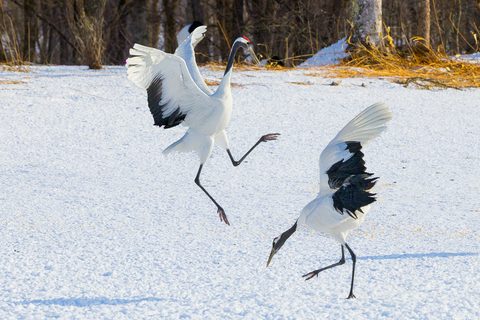
Japan's largest marsh, a great meandering river, and the forest where the river grew.
Source: Ministry of the Environment, Japan (Kushiroshitsugen National Park) · readPhotograph: paul milley via Unsplash, Unsplash licence
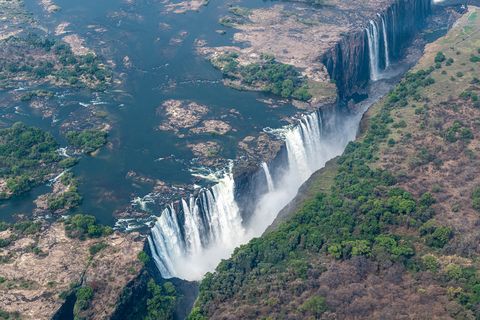
The Smoke that Thunders, and a small rainforest that lives on its spray.
Source: Zimbabwe Parks and Wildlife Management Authority (Victoria Falls National Park) · readPhotograph: Christoph Strässler, Victoria Falls, Zimbabwe - 51641571756, CC BY-SA 2.0, cropped
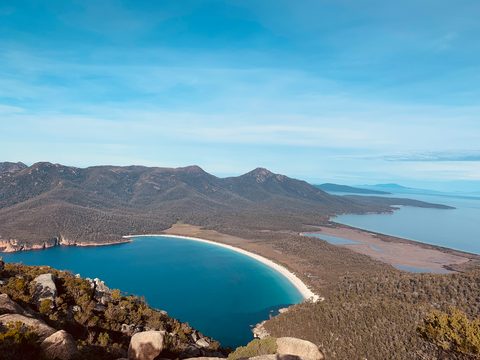
A bay shaped like a wineglass, in Tasmania's oldest national park.
Source: Parks and Wildlife Service Tasmania (Freycinet National Park) · readPhotograph: Tim Hart via Unsplash, Unsplash licence
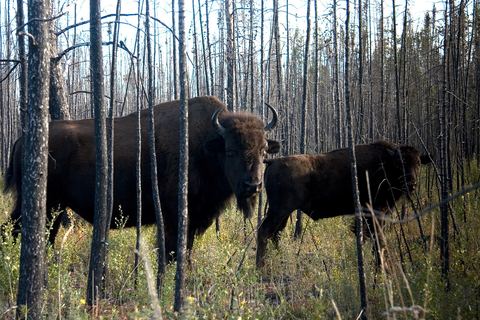
Canada's biggest national park, and the whooping crane's last natural nesting ground.
Source: Parks Canada (Wood Buffalo National Park, park management) · readPhotograph: Naturedata, CC0, cropped
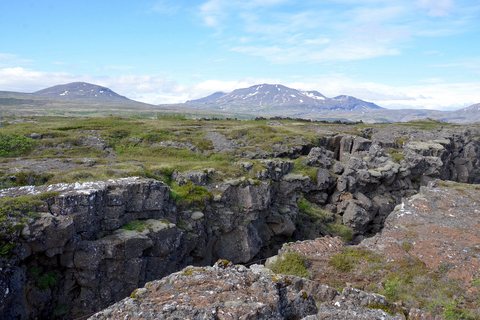
Iceland's ancient assembly plain, where the Atlantic Ocean ridge splits the land.
Source: Thingvellir National Park · readPhotograph: Olga Ernst, CC BY-SA 4.0, cropped
Wood Buffalo, by a long way. Canada's largest national park spans 44,741 square kilometres, and it holds the last natural nesting ground of the whooping crane.
Yes, and in more than one. About 800 people still live in the Cirque de Mafate, a volcanic amphitheatre inside Réunion National Park, and the Cinque Terre park calls itself the Parco dell'Uomo, the park of people, for the terraces and dry-stone walls its villagers built.
For its history and its ground at once. Iceland's Alþing assembly met at Thingvellir from around 930 until 1798, and the park sits on the Atlantic Ocean ridge that runs through Iceland, where gorges and cracks show the Earth's crust at work.
On their own page, The US National Parks. This page covers the rest of the world, from Canada to the far Pacific.
The National parks around the world page lists 41 places in the SockMonkey.com library. The newest source read behind it is dated 5 November 2026.
Each fact on the National parks around the world page comes from an official or specialist body named beside it, such as a park agency or a refuge office, with the date SockMonkey.com read that source.
No. The National parks around the world page lists its places alphabetically, and the order says nothing about quality.
A place appears on the National parks around the world page when SockMonkey.com holds at least 3 sourced facts for it, each with a source name and a read date.
The National parks around the world page leaves out rankings, sighting predictions, gear advice and watching technique. The section named "What this page does not do" lists them.
A place is here when it sits inside a national park and the body that runs the park says so on its own pages, which we read ourselves (5 November 2026). A road that passes through a park says so; a town at a park's gate is left out. Under each fact are its source and the date we read it. Places are listed A to Z, not ranked, and the national parks of the United States have their own page.
This page does not rank places, predict sightings, name a best time to go, recommend gear or give advice on how to watch. It does not replace the publisher named on each card: park rules, closures and counts change, and the linked source has the current word.